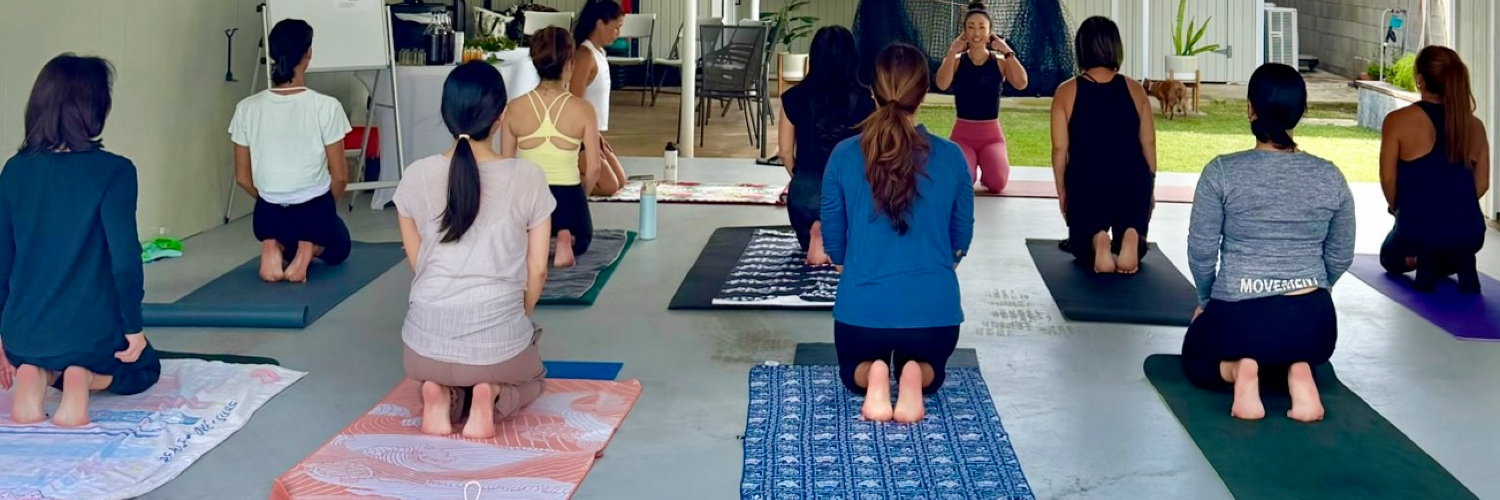
Looking back, it felt like my younger self had superpowers. One day, I was walking around with boundless energy, able to defeat to-do lists faster than a speeding bullet, recovering from a tough workout in a single bound. The next thing I knew, I was in my early 40s, pulling a muscle sneezing the “wrong” way, taking three to five business days to recover from a strenuous activity like staying out past 9 p.m., and putting on weight despite no changes in my lifestyle.
While everybody experiences aging differently, growing older is inevitable. But that doesn’t mean our youthful vitality has to become a thing of the past. With September marking Healthy Aging Month, it’s the perfect time to rethink what growing older means for our minds and bodies. We spoke with Alyssa Furukawa, pharmacist and certified strength and conditioning specialist, and Precision-Nutrition certified coach to talk about women’s aging.
A change of mindset
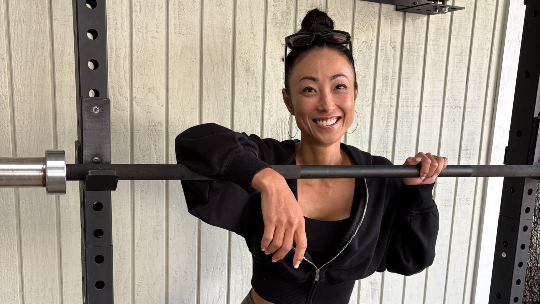
According to Furukawa, physical changes as we age can simply be our body’s way of asking for a new approach.
“Your body isn’t failing you,” says Furukawa. “It’s communicating with you. As we get older, those signals get louder and harder to ignore. Instead of seeing that as something wrong, we can shift to asking questions: What is my body asking for now? More muscle? More sleep? More recovery. The gift of aging is an invitation to listen and adjust.”
Furukawa, who runs personalized fitness and nutrition concierge coaching for women ages 35 and up, discounted through HMSA’s Active&Fit® Program, says it’s not unusual for women to be reactive when signs of aging become less subtle.
The reality is that our health needs change throughout life. In hindsight, Furukawa sees our 20s as a time to explore, take responsible risks, and build confidence. In our 30s, when careers, families, and obligations compete for our attention, she encourages clients to be proactive about building muscle and supporting their pelvic floor health.
“A little effort on the front end can save us a lot of time, money, and frustration later,” she says. “By our 40s and beyond, the focus often shifts toward the minimum effective dose of strength training, along with recovery and resilience, as our bodies can become less biologically forgiving of chronic stress and missed sleep.”
Rather than lamenting that our bodies don’t perform the same way they might have when we were younger, Furukawa says we can learn to work with our body rather than against it.
Saying yes to strength training
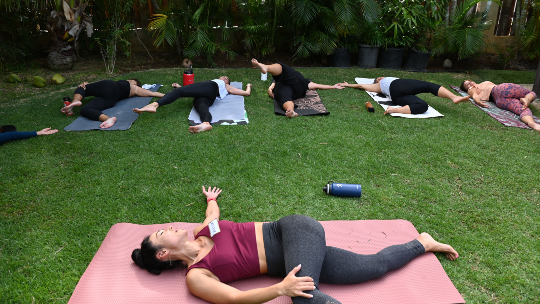
If there’s one habit Furukawa wishes more women would adopt earlier, it’s strength training.
For decades, many women were taught to focus on becoming smaller rather than becoming stronger. But Furukawa says building muscle supports our metabolism, bone health, and independence as we age.
“It’s OK to care how you look at any age,” says Furukawa. “Wanting to like what you see in the mirror isn’t the same as believing your worth comes from how you look. I want women to see strength in that reflection — someone who, despite a busy and sometimes chaotic life, kept showing up for herself. She put in the reps. She nourished her body. She invested in healthy relationships. And she learned that taking care of herself was something she was worthy of all along.”
Furukawa says part of her healthy aging mindset came from her mother, who prioritized movement as a regular part of everyday life. Whether it was running, Jazzercise, or following along to a Jane Fonda workout video, Furukawa’s mother normalized exercise as something you simply do to stay healthy. It’s a mindset that Furukawa models for her own children, and she encourages her clients to make time for healthy living when they can.
The goal isn’t necessarily to pound away at the gym or follow restrictive diets. Furukawa says small, consistent efforts can pay dividends over time, helping women maintain mobility as they age.
Don’t sleep on sleep
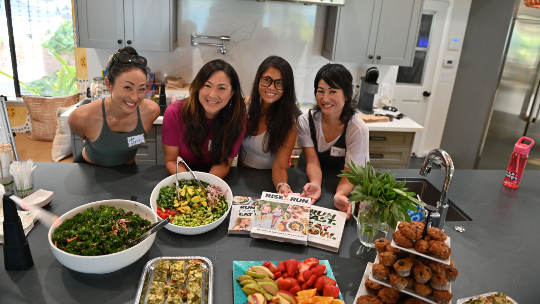
Strength training isn’t the only investment our bodies need to make. Furukawa says that many underestimate the importance of recovery, especially sleep.
In our 20s, it may have been easy to bounce back from a late night or a stressful week. But in our 30s and 40s when work and caregiving often peak, recovery can take a bit longer. Furukawa says that staying up late may seem like well-deserved relaxation, but sleep is the ultimate reward. Once powered by caffeine and more caffeine, she views persistent exhaustion, soreness, and poor sleep as warning signs rather than something to power through.
“At any age, sleep is the most important thing you can do to support your mental and physical health,” says Furukawa.
Just as important, says Furukawa, is letting go of perfection. Many women fall into an all-or-nothing mindset, believing that a missed workout or less-than-healthy meal means they’ve failed. But rather than chasing perfection, Furukawa encourages a more flexible approach.
“Instead of making yourself feel bad, pick up where you left off,” says Furukawa. “You don’t have to start over. If we can shift away from the mentality of having to restart, the cognitive load is much less overwhelming.”
Furukawa also emphasizes emotional resilience, noting that physical and mental health are closely connected.
“There’s a certain belief system that by a certain age, you need to have it all figured out and that we need to be happy all the time, and be calm and relaxed,” she says. “The goal isn’t to eliminate stress, It’s to become more resilient which means experiencing a stressor and having the tools and support to return to baseline instead of staying stuck there. And we weren’t meant to do everything ourselves. We need community. We borrow strengths from each other.”
Even for women who haven’t prioritized strength training in the past, Furukawa emphasizes that it’s never too late to start.
While we can’t turn back the clock, we can support our physical and mental health by focusing on building strength, prioritizing recovery, and treating ourselves with compassion as we age.
“Healthy aging isn’t about trying to become your 25-year-old self again,” Furukawa says. “It’s about becoming stronger in the body and life you have now and being proud of the woman you see in the mirror. Our children are watching how we show up for ourselves, too.”
If you’re an HMSA member looking to stay active, the Active&Fit® Program provides discounted gym memberships and home fitness tools. Your gym discount depends on your current plan. To find out how much you can save, sign on to My Account.
For more information on Furukawa’s health and well-being program, visit alohaalyssafit.com.
Photos courtesy of Alyssa Furukawa and by Grace Min.
More women’s health
It doesn’t have to be Healthy Aging Month to learn more about women’s health issues. Check out these women’s health articles any time of year.