If you’re in a bad mood, suddenly, you’re “on your period.” Feeling emotional? It’s hormones.
The stereotypes around menstrual cycles and premenstrual syndrome (PMS) are often treated as a sexist joke. But the physical and emotional symptoms in the one to two weeks leading up to a period are far from a punchline, especially for those diagnosed with premenstrual dysphoric disorder (PMDD).
What is PMDD?
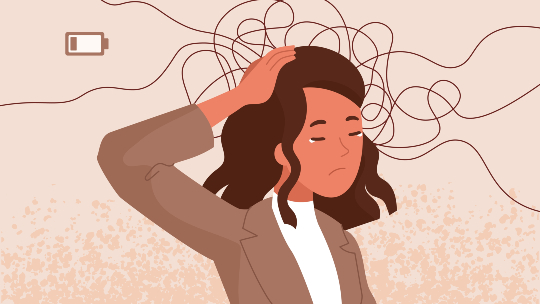
PMDD is a more severe form of PMS that primarily affects mood. During the two weeks before a period (also known as the luteal phase), hormonal fluctuations are normal, but people with PMDD have an unusually strong neurological response to these shifts, experiencing emotional symptoms so intense that daily life is disrupted.
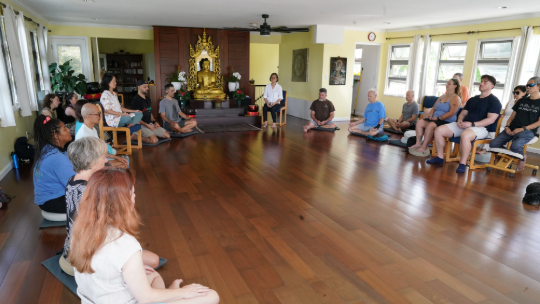
“It’s one of the biggest hallmarks of PMDD: They’re either not able to work or go to school, do their normal activities, or interact with their friends and family the way they want to,” explains Shandhini Raidoo, M.D., a board-certified ob-gyn and associate professor at the University of Hawaii at Manoa John A. Burns School of Medicine. “That can be really distressing.”
Symptoms can vary, but they often include:
- Severe mood swings.
- Depression.
- Heightened anxiety, tension, nervousness, or panic.
- Anger or irritability.
- Frequent or sudden tearfulness.
- Feelings of being overwhelmed or out of control.
- Changes in appetite or sleep.
- Bloating.
- Headaches.
When to seek help
Because PMDD is primarily emotional, having the disorder can create rifts in relationships, affect how a person functions, or change how they show up at work or school (if they can get out of bed at all). Noticing these changes is often the catalyst for many patients to seek professional help.
“People often assume that they're supposed to have certain changes around their period and that they’re supposed to just suck it up,” says Dr. Raidoo. “So, many people who could benefit from care might not know that it’s available.”
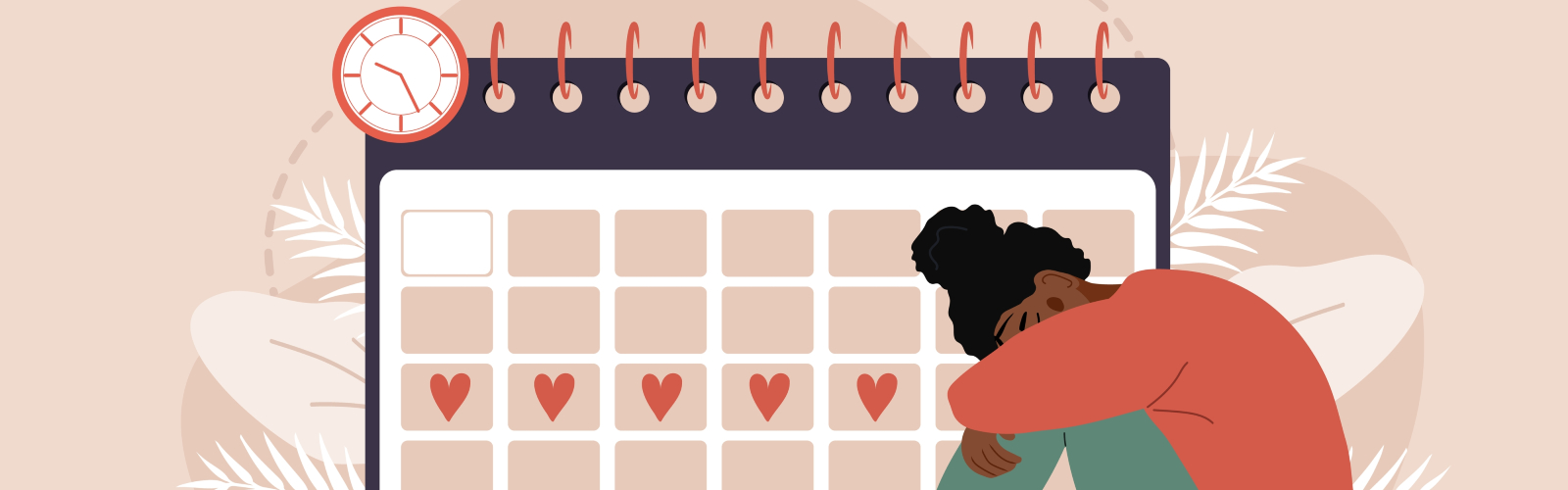
Getting diagnosed with PMDD starts with tracking your symptoms every day for at least two cycles, so you’ll know if it’s happening specifically during the luteal phase or beyond. Your ob-gyn will then help figure out what’s going on.
“There’s this overlap between what’s happening gynecologically and psychiatrically,” explains Dr. Raidoo. “So, one of the first things we do is rule out other possible causes and make sure there isn’t an underlying psychiatric problem like depression, or other medical conditions, like a thyroid disorder.”
Finding the right treatment
Treatment is tailored to each individual, and it’s based on a patient’s symptoms and what they’re experiencing. For some people, making lifestyle changes, going to therapy, or taking hormonal birth control could be the solution. For others, an antidepressant could help bring symptoms down to a manageable level.
“We typically associate antidepressants with psychiatric disorders, but it may benefit some people, whether they take them every day or even right around the time leading up to their period,” says Dr. Raidoo.
If you’re not experiencing mood symptoms outside the luteal phase, then taking an antidepressant during just those two weeks has proven to be effective and almost immediate with PMDD. But Dr. Raidoo cautions that finding the right treatment will take time.
“As providers, we know that we’ll eventually help our patients get better, but we do encourage them to be patient with the process, since it may not happen as quickly as they might like,” she says.
PMDD can make people feel trapped by emotions they can’t control. But with the right treatment, many can find significant relief and discover that enduring through every month isn’t something they need to accept.
“Whether it’s because of your mood, pain, or bleeding, there are things that can be done to help,” says Dr. Raidoo. “No one has to suffer with their period.”
Take care of yourself
Women often don’t have time or forget to prioritize their own health. Take charge with some more women’s health-related articles:


%2c+the+symptoms+can+be+even+more+severe.+Shandhini+Raidoo%2c+M.D.%2c+a+board-certified+ob-gyn+and+associate+professor+at+the+University+of+Hawaii+at+Manoa+John+A.+Burns+School+of+Medicine%2c+shares+how+PMDD+differs+from+typical+premenstrual+syndrome%2c+how+it%e2%80%99s+misdiagnosed%2c+and+the+treatments+that+can+help%2c+so+you+don%e2%80%99t+have+to+suffer+anymore.)