With Hawaii’s high cost of living, many residents are finding innovative ways to stay afloat. That’s why side hustles, or secondary sources of income, are becoming more common as people look for more financial stability. According to the U.S. Bureau of Labor Statistics, about 8.9 million Americans have multiple jobs.
Take risk analyst Joshua Thompson. After a full day of work at Hawaii State Federal Credit Union, he heads to the courts to referee basketball, a sport he’s loved since he was 5 years old. For Thompson, what began as a heated moment turned into a new income stream, a connection to a lifelong passion, and a way to navigate the realities of living in Hawaii.
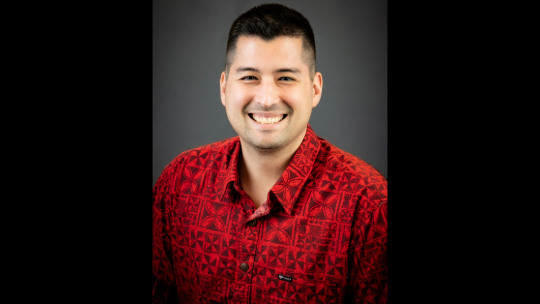
Joshua Thompson. Photo courtesy Joshua Thompson
A turning point on the court
His sports officiating side gig started during a local men’s basketball league game. “I felt like the ref made a bad call and we got into a heated discussion,” Thompson says. “The ref said that what he does isn’t as easy as everyone thinks and that I should try doing it. My response? ‘I will!’”
And Thompson followed through.
Basketball has always been part of his life. Born and raised in Hawaii, Thompson moved to the Mainland for college before eventually returning home. He played regularly with friends until the pandemic shifted routines and priorities. “After that, my friends with kids were in dad-mode,” Thompson says. “I continued to play, but it wasn’t the same.”
Officiating gave him a new way to stay connected to the game. What started as a challenge quickly turned into something more. “During year two, I realized I could actually make decent money,” he says. “I’ve played and coached, so officiating doesn’t even seem like work. It’s enjoyable, and I feel good giving back.”
A financial cushion when it matters most
Thompson knows how quickly expenses can add up in Hawaii. After moving home, he faced one of his first major financial pressures: a mortgage. “At first, I had flexibility with income,” he says, referencing his time co-owning a business. “The more hours I worked, the more I made.”
That changed when he transitioned into a salaried role. “With a set income, things were mostly OK,” he says. “But if something unexpected happens, like a car breaking down, you want a buffer.”
Officiating provided extra income that helped fill the gaps that a steady paycheck couldn’t always cover, easing some of that stress and giving him more breathing room.
Finding balance
Taking on a side hustle is one thing. Making it fit into everyday life is another. Balancing officiating with a full-time job and personal life is still a work in progress. “I’m trying to figure it out now,” he says. “The only thing that draws a hard line for me is the big events such as birthdays or major holidays with my family and long-time girlfriend.”
Games can take place across the Island, and schedules can shift quickly depending on league needs. What was once one or two flexible shifts a week has turned into a packed calendar during busy seasons. “Now it’s more like, when’s the next time I have off?” he says.
The trade-offs are real. He has skipped social events and rethought how he spends his downtime. Still, he keeps showing up.
“It’s rewarding when you see the players learning and improving,” he says.

More than just extra income
Refereeing isn’t always easy. There’s criticism, pressure from parents, and the occasional tense moment on the court. “It can be a thankless job,” Thompson says. “No one thanks you for doing a good job officiating. But they’ll definitely let you know if they think you're awful."
Still, those challenges are balanced by moments that keep him coming back. “Sometimes I’ll explain something to a player, and later I see them applying it,” he says. “You almost have to be an extension of their coach.” Those small interactions add meaning to the work and reinforce why he continues, even on the most demanding days.
Like many sports programs across Hawaii, finding enough officials can be an ongoing challenge. For Thompson, that’s just one more reason to stay involved. “There’s definitely a need for more of us,” he says.
Why side hustles are growing
Thompson has also noticed a shift in how people around him approach work and their finances. He points to co-workers who run booths at conventions or sell handmade goods on the side.
“Most people have skills and interests beyond their day job,” he says. “Find something you enjoy doing that generates enough income to help make you comfortable.”
Flexibility is part of the appeal. For many, side hustles offer a way to have more control over their income and time, especially as expenses continue to rise.
“It all boils down to money, cost of living, and the economy,” Thompson says. And sometimes, the opportunity is closer than people think. “Your side hustle could be right in front of you,” he says.
A win-win that goes beyond income
Though the idea to officiate was born out of spite, Thompson is thankful it turned into something more meaningful.
“It brings me back to a sport that shaped my life,” he says. It also connects him to his community in a way a traditional job can’t. He sees familiar faces, builds relationships with families, and helps young athletes grow.
Even with the long hours and trade-offs, the benefits extend beyond the extra paycheck.
In a place where the cost of living can feel overwhelming, side hustles offer something valuable: a sense of agency.
And sometimes, they turn into something unexpectedly rewarding.
“There’s a lot of bad behavior to deal with, so you have to have thick skin,” says Thompson. “It can feel like a thankless job sometimes, and it can take a toll mentally and physically, but I still love doing it.”
More ways to build financial well-being
Looking for additional ways to strengthen your financial foundation? Check out these articles:
taking the stress out of home buying
Buying a home in Hawaii can feel overwhelming, but with the right guidance, education, and financial planning, local families can turn a complex process into a more manageable path to stability.
teaching keiki to invest in their future
Learn how one Hawaii classroom is teaching keiki to save, spend wisely, and build healthy money habits for the future.
smart shopping: gifting and saving
Get creative with gift-giving while sticking to a budget, from setting spending limits to using simple, low-cost or homemade ideas.
tips for saving money
Small, achievable habits like saving loose change or setting up automatic deposits can make it easier to build a financial cushion over time.