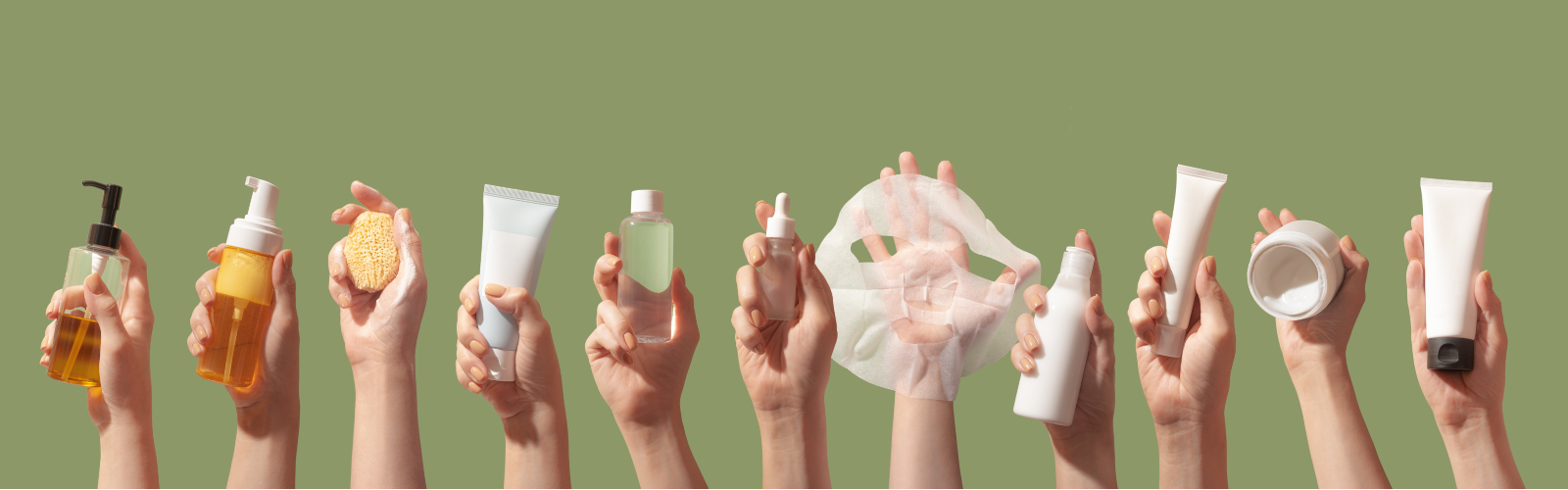
The skin care ads got to me.
Influencers with glowing skin appeared on my social media feeds, endorsing products as the ones that transformed their large pores and acne scars into a smoother, tighter, and brighter complexion.
With Korean skin care experiencing a boom in popularity on social media and my own skin turning against me, I was desperate to try any remedy. I decided I needed every serum, cleanser, and toner that promised perfect “glass” skin. But one morning, as I was slathering on product after product in my multistep routine, my face suddenly started to burn.
“Ironically, one of the most common things we see as dermatologists is patients overdoing it, where they’re using multiple cleansers or different topicals that target antiaging or brightening,” says Ryan Sato, M.D., a board-certified dermatologist in Honolulu. “When we add everything on at once, it can be too much for our skin.”
Guilty. And I was in for a weeks-long recovery.
The skin’s armor
When I say burn, I mean it felt like my face was on fire. I knew something was very wrong, but I didn’t know why. After some research and a visit with my dermatologist, we determined my skin barrier had been damaged.
“The skin barrier has two jobs: It’s a protective wall and protects us from irritants, allergens, bacteria, and microorganisms,” explains Dr. Sato. “It also acts as a barrier, where it retains moisture to keep us hydrated and comfortable.”
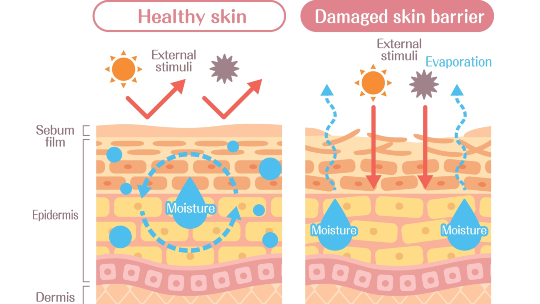
Medical conditions like eczema can contribute to a damaged skin barrier, but environmental factors, including climate, can affect it, too.
“When my patients go to Las Vegas and wonder why their skin is irritated and dry, I tell them it’s a different climate. You’re going into a desert, and you don’t have the luxury of the humidity we have in Hawaiʻi,” says Dr. Sato.
Signs of damage
How you treat your skin matters, too. Sunburns and layering too many active ingredients at once can compromise the skin barrier. Ingredients like retinoids and vitamin C can help with fine lines, acne, hyperpigmentation, and sun damage, but they can also cause irritation.
When the skin barrier is damaged, you may notice changes in how skin normally feels and behaves. Signs include:
- Redness
- Sensitivity
- Itching
- Inflammation
- Dryness or flaking
- Cracking
Back to basics
If you suspect your skin barrier has been compromised, Dr. Sato suggests taking a closer look at your routine and identifying what may have changed.
“Ask yourself: ‘What am I doing differently? Did I use a new detergent or body wash that’s not agreeing with me?’” he says.
Taking out the potential culprits gives your skin a chance to recover. But if you’re like me and added so many products at once that you don’t know what caused the irritation, it may be best to go back to square one. For me, that meant stripping everything back and keeping my routine simple: a gentle cleanser, moisturizer, and sunscreen.
“Moisturizers with ingredients like ceramides and hyaluronic acid can help replenish hydration and rebuild the skin barrier,” Dr. Sato explains.
If you still don’t see any improvement, it may be time to make an appointment with your dermatologist, so they can help evaluate and give you other options.
One step at a time
After I stopped using everything but the three essentials, my face slowly started to reset. Products no longer burned when I applied them, and my skin felt calmer and more hydrated.
But once your skin starts feeling like itself again, you may want to resist the urge to pile everything back on. Instead, Dr. Sato recommends introducing products one at a time and paying attention to how your skin reacts before adding something else.
“Make one change and assess: Did that help? Is it working well? Do we like it?” he says. “After a month or two, add a new product if you want and assess again. Step-by-step can work better, so you don’t damage your skin barrier.”
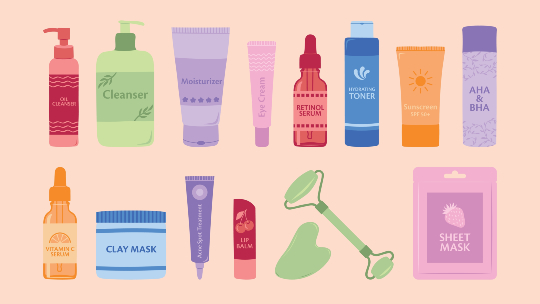
And despite what social media portrays, a good skin care routine doesn’t necessarily require a bathroom counter filled with products.
“There isn’t a one-size-fits-all regimen, but a cleanser, a moisturizer, and a sunscreen are great starts to protecting our skin,” says Dr. Sato.
These days, I haven’t completely sworn off serums, retinol, or whatever skin care product TikTok decides I need. But I’m much more selective about what makes it from my social media feed onto my face. Because when it comes to skin care, less really can be more.
Protect your skin
Skin is your body’s largest organ! Learn how to take care of it with these islandscene.com articles: