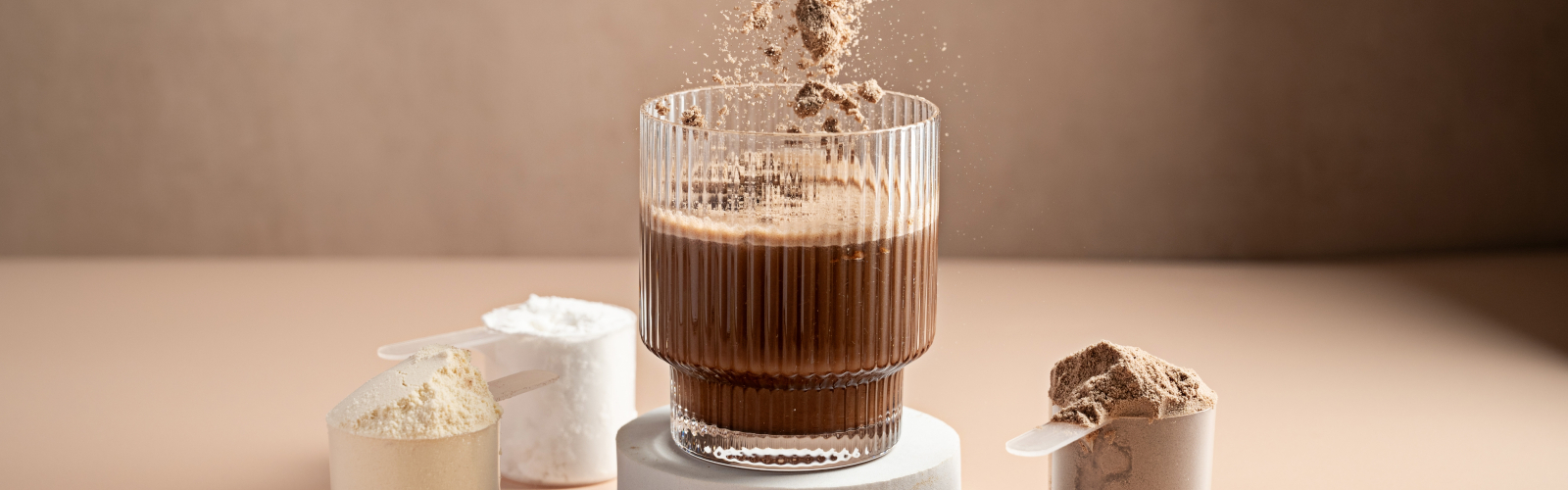
Move over, espresso. Kickstart your day with an extra shot of protein! Swapping your usual coffee order for a protein-powered cup has recently gained traction as a health and wellness trend. But is it worth the hype? Lianne Stephanos, R.D., lead dietitian with the Hawaii Pacific Health 360° Weight Management Center at Pali Momi Medical Center, spills the beans on what you need to know about joining the “proffee” (protein coffee) craze.

Lianne Stephanos, R.D. Photo courtesy Hawaii Pacific Health
Power of protein
Protein is riding a wave of popularity for its muscle-building and potential weight loss benefits. But beyond keeping you full longer, the essential macronutrient also supports immune function and helps produce and regulate hormones.
The official recommended daily allowance is 0.8 grams of protein per kilogram of body weight per day. That means an average, healthy adult who weighs 165 pounds (75 kilograms) should get about 60 grams of protein.
“To put that into perspective, a 3-ounce piece of chicken has about 21 grams of protein,” says Stephanos. “Older adults, active individuals, and those trying to preserve lean muscle mass while losing weight may benefit from higher intakes.”
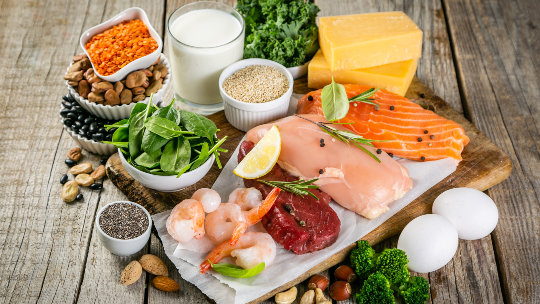
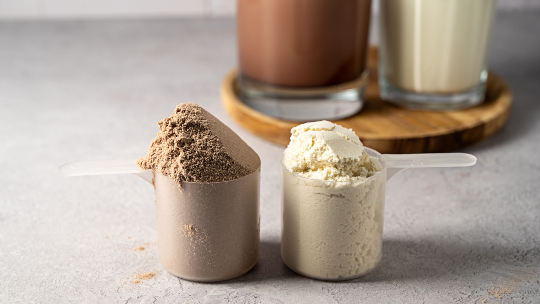
Protein-rich foods include meat, fish, dairy products, soy products, and some vegetables and legumes. But you’ll find protein in almost anything these days. Protein powder can be blended in smoothies, added to pancakes and overnight oats, and mixed into cookie batter or ice cream.
But, Stephanos reminds us that nature’s own protein is still best. “Protein powders often lack the wide array of micronutrients, fiber, and other beneficial compounds that whole-food proteins come with, which supports overall diet quality and long-term health,” she says.
Full cup, fuller you
If you’re struggling to eat the recommended amount of protein through regular meals, however, stirring some protein powder into your coffee is an easy way to increase your intake. It can add creaminess and sweetness if it’s flavored; you may have to try a few before finding one you like. The trend first became popular on social media in 2021 but picked up steam again last year.
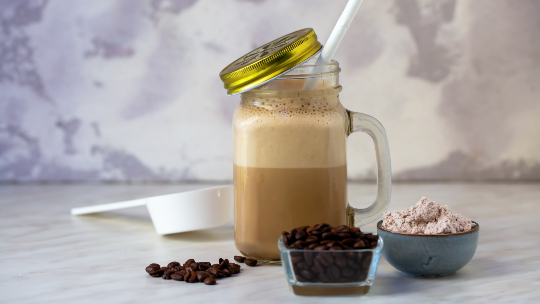
“It’s partly cultural and partly practical. People are interested in their health more than ever, with protein being all the hype right now,” explains Stephanos. “But they’re still looking for ways to get that protein without completely overhauling their day-to-day routine. Protein coffee fits the modern demand for convenience: It’s a quick breakfast, suitable for the on-the-go lifestyle, and it combines the benefits of coffee with an essential nutrient.”
We’ve all heard that breakfast is the most important meal of the day, but what’s on your plate (and in your mug) could matter even more. Research shows that starting your day with protein can have several benefits, such as steadying your blood sugar and managing hunger.
“This can be especially useful for weight control, as it can keep you satisfied and reduce appetite and cravings later in the day,” says Stephanos.
She recommends aiming for 20 to 40 grams of high-quality protein at breakfast, whether through whole-food protein options or a cup of protein coffee.
When full turns heavy
Adding protein to our morning brew is a convenient way to boost protein intake, but more isn’t always better. Consuming too much protein can be harmful, especially if you have certain medical conditions, such as kidney disease.
Stephanos always recommends consulting with your health care provider before adding any new supplements to your diet. She also has these warnings:
- Watch out for protein supplements and commercially prepared protein-coffee that may contain added sugar and fat. There may also be ingredients that can cause gastrointestinal discomfort, such as gas, bloating, or altered bowel habits. Check the nutrition label to ensure it aligns with your health goals.
- Whey is the most common base of protein supplements. So, if you’re sensitive to lactose, opt for a protein supplement made with whey isolate, which has low to no lactose. There are also nondairy protein supplements that are soy or pea based.
- Some protein powders can make your coffee grainy or clumpy. When in doubt, add the powder to iced coffee or use a ready-made formula such as a “creamer,” mixing slowly into warm coffee.
“Protein powders or coffees can be helpful fill-in solutions,” says Stephanos, “but consider them supplements, not replacements for balanced, whole-food meals.”
Coffee reimagined
Some of the world’s best coffee is found right in these Islands! Hawaii is the only state in the U.S. to grow coffee, with Kona’s beans earning worldwide fame. Check out the stories below for more unique coffee delights:
cup o joe beans
Think baked beans but with a Kona coffee twist. This local homegrown recipe is extra delicious with coleslaw and hot rice or cornbread.
kona coffee poke
Experience Kona coffee in a new way with this poke recipe, which won first place in the Kona Coffee Cultural Festival’s annual recipe contest in 2017.
make a perfect cup of coffee
To enjoy the true flavor of coffee that farmers cultivate, harvest, and roast for your cup of joe takes a bit more time and effort. From sourcing the freshest beans to using good water, coffee experts in Kona share their tips for brewing the perfect cup.


+craze.)