
Many of us take clear vision for granted. We can open our eyes in the morning to check the clock or recognize loved ones’ faces. But for those with cataracts, faces and objects can appear blurry and reading can become difficult.
Cataract surgery can restore clear vision. However, paying for the procedure can be out of reach for people who are underinsured or uninsured.
WikiVision is a nonprofit organization founded in 2020 to provide free eye surgeries to community members in need. Qualified patients receive surgery at no cost.
Community vision
WikiVision relies on doctors, eye surgeons, and other providers. Support also comes from students, families, and other volunteers working together to help patients regain their vision, independence, and confidence.
“Having the chance to work directly with patients and hear about their stories has made each surgery so meaningful and life-changing for me,” says Arabella Tan, who founded WikiVision with her brother, Alexander, when they were in high school. “I’ve gotten to know many patients personally. Hearing how their lack of vision impacted their life was very touching.”
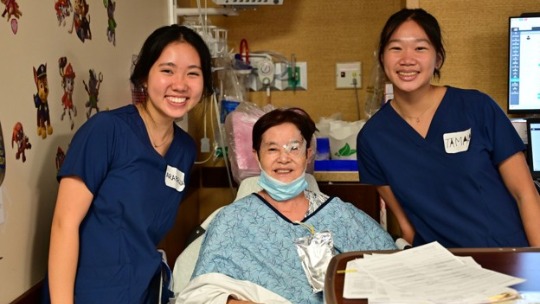
WikiVision Co-founder Arabella Tan (left) with a student volunteer (right) and cataract patient.
The Tans organized annual fundraising concerts featuring fellow student musicians from ‘Iolani School, Punahou School, and schools on Kaua‘i and Maui. They performed an eclectic program ranging from classical music to rock. Last year’s fundraiser involved 20 students who raised about $75,000 to provide 50 free surgeries for qualified patients.

Student fundraising concerts helped pay for WikiVision cataract surgeries.
Life-changing experiences
One patient, Lori, had cataracts in both eyes. After the surgery, she was able to enjoy playing tennis again. Another patient, Ildelfanzo, had been blind in both eyes and dependent on family care before surgery. His surgery restored his vision and independence.
“Cataract surgery is one of the most common procedures in the U.S. and the single most easily reversible cause of blindness,” says ophthalmologist Vivien Tham, M.D. , one of the volunteer surgeons and mother of Arabella and Alexander. “In Hawai‘i, ultraviolet exposure can contribute to earlier cataract development, so the need can be especially pressing. Yet, even a quick, painless, and highly effective surgery can remain inaccessible for patients facing financial barriers.”
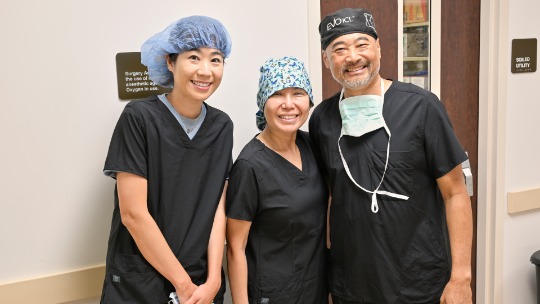
WikiVision volunteer surgeons (from left to right) Mai Tsukikawa,Vivien Tham, and Bill Wong.
Al S. was one of WikiVision’s patients last year. Three years ago, his eye doctor told him that he needed cataract surgery. Blurry vision made it difficult for him to read and watch TV even with glasses. Driving had also become unsafe. “It was frustrating,” he recalls.
He couldn’t afford the surgery, so he was relieved when he qualified for the WikiVision program. “I still need glasses to see near, but I see much clearer,” he says. “And I don’t need glasses to see far.”
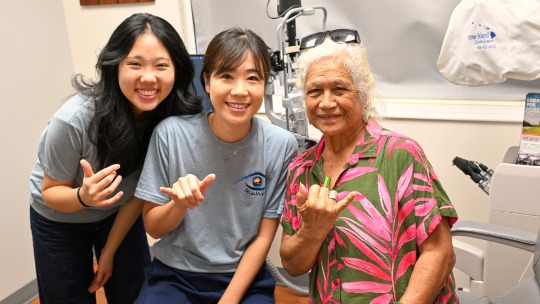
Arabella Tan (left) and volunteer surgeon Dr. Mai Tsukikawa (center) with a WikiVision patient.
For Rogelio Cacating, life was like walking through a cloud of fog. Poor vision made it difficult to see what bus he was catching or reading bank documents he needed to sign. Since WikiVision’s surgery last year, he now has the confidence to do routine tasks.
“I can now do chores by myself like going to the bank and grocery store,” he says. “I feel normal again.”
Looking forward
This year, 30 patients are scheduled for surgery on Sept. 12. Each procedure lasts about 20 to 30 minutes.
Arabella and Alexander are now attending college on the Mainland, so they won’t be able to organize fundraising concerts. Donations through the WikiVision website will help pay for surgery supplies and patient copayments.
“For patients who are underserved, WikiVision can help restore vision and reduce future blindness,” says WikiVision’s volunteer chief executive officer Caitlin Tanji, a student at the University of Hawai‘i’s John A. Burns School of Medicine (JABSOM). “It’s important that they remain independent as they age and reduce their risk of falls and injuries. It’s meaningful that we can help them live their best lives through these life-changing surgeries.”
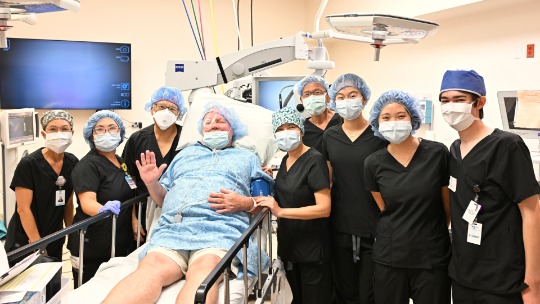
WikiVision has become a passion project for Tanji and three other student volunteers from JABSOM and Punahou School.
By bringing together volunteers, donors, and medical professionals, WikiVision helps make cataract surgery accessible to people who might otherwise go without it. For many patients, that means the chance to see clearly again.

Cataracts: What You Need to Know
What’s a cataract?
A cataract is a cloudy area in the eye’s normally clear lens. It can make vision blurry, hazy, or less colorful, and may cause glare, halos, poor night vision, or frequent eyeglass prescription changes.
How common are cataracts?
Cataracts are very common with age. The National Eye Institute says more than half of people in the U.S. age 80 and older either have cataracts or have had cataract surgery. About 50-60% of people age 65 and older have cataracts.
What are the risk factors?
Some of the risk factors include age, diabetes, smoking, heavy alcohol use, family history, eye injury or surgery, radiation treatment, long-term steroid use, and too much sun exposure without UV protection.
How are cataracts treated?
Adequate lighting or updated prescription glasses or contact lenses may help. When cataracts interfere with daily life, surgery can remove the cloudy lens and replace it with a clear artificial lens.
Can cataracts be prevented?
You can lower your risk for cataracts by wearing UV-blocking sunglasses, not smoking, managing diabetes and other health conditions, limiting alcohol, and getting regular eye exams.
What should I do if I think I have cataracts?
Schedule a comprehensive dilated eye exam with an optometrist or ophthalmologist. Seek urgent care for sudden vision loss, eye pain, flashes of light, or a sudden severe headache.
Learn more
- American Academy of Ophthalmology
- Centers for Disease Control and Prevention Vision and Eye Health Surveillance System
- Mayo Clinic
- National Eye Institute
See clearly with these articles on islandscene.com:
- cataract awareness month beyond blurry vision
- do computer glasses work?
- do’s and don’ts of contact lenses
- focus on eye health
- summer shades protect your eyes
Photos courtesy WikiVision.