It’s been two and a half years since my best friend, P, decided to end her life by suicide. Typing that out, still, two and a half years later, hurts. I don’t think I’ll ever get over it. My therapist, Liza Alex Baker, LMFT, M.A., agrees. No one will ever really get over it. There’s going through it and working and living with it. But getting over it? No. It will remain a part of my life forever.
What’s also true, however, is that there is so much love. When I was in my darkest of moments after P died, there was still love around me. Love around P. Love around everything I knew – it was just hard to see at that time.
Though life can get blurry, it’s important for everyone to know that there are so many resources out there to help navigate you through whatever you’re going through. Whether you’re having suicidal thoughts, struggling after a loved one took their life, or having a hard time dealing with your thoughts or emotions, guidance is available. Baker discusses her experience with helping those in need of an outlet and gives advice on how to seek out help when you have no idea how to start or who to turn to.
What are some community resources that you’d recommend for someone who is struggling with suicidal thoughts and/or their loved ones who are trying to help?
If you or someone you care about is struggling with suicidal thoughts, please know that you’re not alone, and there are several resources in our community that can help.
CRISIS SUPPORT
Hawaii CARES/988 Crisis Line
This free and confidential service is available 24/7 by phone or text. Whether you’re in crisis or simply need help navigating mental health resources, Hawaii CARES can connect you with an outreach worker who can assist in finding immediate support services or the right therapist. You don’t need to be in crisis to reach out. Many callers are loved ones seeking help for someone else.
Contact: Call or text 988 anytime.
MENTAL HEALTH EDUCATION AND SUPPORT
National Alliance on Mental Illness (NAMI Hawaii)
NAMI offers free educational programs, seminars, and peer-led support groups for individuals and families affected by mental health challenges.
Contact:
Phone: 808-591-1297
Email: info@namihawaii.org
Website: namihawaii.org
GRIEF AND HEALING SUPPORT
Adventist Health Castle Hospital – Grief Support Group
Located in Kailua, this group provides a safe and welcoming space for those processing grief, whether recent or long-standing. The group meets on the 1st and 3rd Wednesday of each month in the hospital chapel from 10-11:30 a.m. There’s also an online group that meets at 6 p.m. on the 2nd and 4th of each month.
Contact: Chaplain Sara-May Colon at 808-263-5343 or email colons@ah.org.
RECOMMENDED READING
- Self-Compassion: The Proven Power of Being Kind to Yourself by Kristen Neff
- The Mindful Self-Compassion Workbook by Kristen Neff
- Navigating Intense Grief by Emily Vandenberg
- No Time to Say Goodbye by Carla Fine
What are some helpful tools that everyone can do daily to better assist and take care of their mental health?
There’s no single roadmap or blueprint that works for everyone because one’s mental health is so personal. One thing we know to be true is that feelings of grief can be very isolating, and that’s where it gets really dangerous. Understand that whatever you’re feeling is valid and have compassion as opposed to beating yourself up over it.
Next, I’d say is to focus on your breath. Even if it’s just a pause for a moment and breathing in a long breath of air and then releasing it slowly, it’s a great way to reset your nervous system. You can also go out for a walk or enjoy your cup of coffee or tea. To stay present in the moment, ask yourself things like: What do you see on your walk? How does the cup of coffee or tea feel in your hands? What does it smell like? You can journal your thoughts and feelings to help release them. You can jump in the ocean for a quick refreshing dip. I know that you, Kristen, started your own garden and hosted a movie and crafts night with your friends. That’s beautiful. It’s such a personal experience of what will work for one person so I want people to know that there’s no one cookie cutter solution that will work for everyone. But there are options to try and do what you need to do to feel better and be more present.
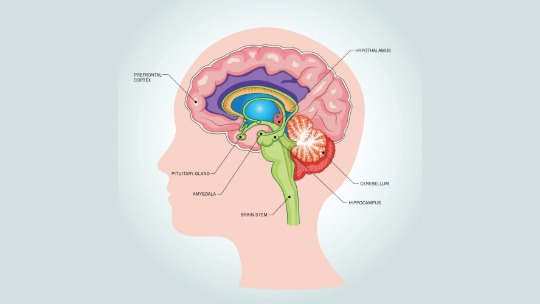
Taking care of your mental health doesn’t require perfection, just small, consistent steps. Understanding how your brain works is helpful. The amygdala is the brain's alarm system, and it is at times overprotective. When you are stuck in fight, flight, or freeze modes, it is important to activate your pre-frontal cortex, which is where your emotional regulation and reasoning are found. Here are some evidence-based tools that can help calm your nervous system, support emotional regulation, and get you back into your prefrontal cortex.
When you’re feeling disconnected or numb:
- Diaphragmatic (belly) breathing: Inhale deeply, letting your belly expand. Exhale slowly, drawing your belly in. This helps reconnect you to your body and calm your nervous system.
- Cold stimulation: Try placing an ice pack on the back of your neck, holding ice cubes, or splashing cold water on your face. These techniques activate the vagus nerve and can help you feel more present.
When you’re feeling overwhelmed:
- 4-7-8 breathing technique: Inhale for four seconds. Hold for seven seconds. Exhale slowly for eight seconds. Repeat this process a few times to slow your heart rate and ease racing thoughts.
When you need self-compassion:
- Be mindful of your thoughts. If one feels harsh, ask: Is this helpful? Is this kind? What else could be true?
- If self-compassion feels difficult, imagine what you would say to a loved one in your shoes. Offer yourself that same compassion and grace.
When you want to get back to basics:
- Prioritize sleep, nutritious meals, and daily movement. These foundational habits support emotional balance and energy.
When you’re creating a daily routine:
- Journaling: Ask yourself questions such as: What am I feeling? What do I need? What am I grateful for?
- 5-4-3-2-1 grounding exercise: Identify five things that you can see, four things that you can touch or feel, three things that you can smell, two things that you can hear, and one thing that you can taste or that you would like to taste. Ask yourself if you feel safe. Ask yourself if you feel present. Breathe.
When you need therapeutic support:
- Find a counselor who you feel safe with. Therapy offers a steady space to process grief, trauma, and feelings of overwhelm.
- A trauma-informed therapist can help you build a personalized “toolbox” of coping strategies.
- My clients often describe “feeling lighter” after just a few sessions, which is an encouraging sign that healing has begun.

What are you most hopeful about when it comes to people becoming more aware about suicide and its effects on those who suffer from depression, and those who are close with them?
I’m hopeful about many things when it comes to how our communities are growing in awareness around suicide, depression, and mental health.
We’re seeing a powerful shift: people are no longer viewing mental health struggles as a moral failing or weakness, but as part of the human experience, something that deserves compassion, understanding, and support. That shift is critical.
Mental health services are expanding rapidly, indicating that more people are reaching out and receiving the care they deserve.
Those who have lost loved ones to suicide, or who have survived attempts themselves, are being given more space to share their stories. These stories create ripples of understanding and help dismantle the shame that often surrounds mental health.
I’m especially inspired by today’s youth. My 17-year-old daughter once told me, “People in my friend group talk openly about mental health. We take it seriously and know it’s real.” That openness is echoed in my clients, many of whom are in their late teens and early twenties. They come to therapy because they want to learn about themselves, build self-awareness, and work toward their goals. Many people are seeing mental health care the way they see the gym: a regular part of staying healthy.
They see therapy as a form of self-care. They’re empowered by developing coping skills and building a toolbox to help them navigate life’s challenges. That kind of proactive, compassionate approach gives me deep hope for the future. Therapy is not seen as a shameful thing that needs to be hidden, but more as a badge of honor that indicates that you are proactive and care about yourself and the people around you.

Whatever your reasons for reading this article, if there’s one thing I learned after P left us prematurely from this world, it’s that so many people care about you. I don’t even know you, reader, and I care about you. So much so that I’m sharing this story about my dear friend P, how she is missed immensely and has left this world too soon, and how you need to now know that there is still so much hope and love around you. I know you can’t see it now, but it’s there, I promise. You are a miracle and this world is so much better with you in it than without, please remember that. If anything at all, please remember that.
Read more stories about mental health: