During a routine checkup soon after turning 45, my doctor noted that it was time for my first colonoscopy. “Aren’t I too young for this?” I wondered. “Aren’t colonoscopies something that people dealt with much later in life?” Since I normally try to stay on top of all my preventive health screenings, I scoured the internet in search of answers. What I learned was that more adults in their 20s, 30s, and early 40s are being diagnosed with colorectal cancer, and screening guidelines now recommend starting at age 45. Plus, actor James Van Der Beek recently passed away from colon cancer at the age of 48. And boom, there it was, my motivation for getting a colonoscopy.
Prep: Not painful, not pleasant
A few days later, my doctor’s office referred me to an outpatient facility. They called me to schedule the procedure; review a pre-procedure questionnaire; and prescribe the prep. To my surprise, everything moved quickly, and the colonoscopy was scheduled within two weeks following my doctor’s visit. Now it was time to pick up the prep from my pharmacy and prepare. In my case, I was prescribed a jug of polyethylene glycol 3350, a powdered laxative used to cleanse the bowels.
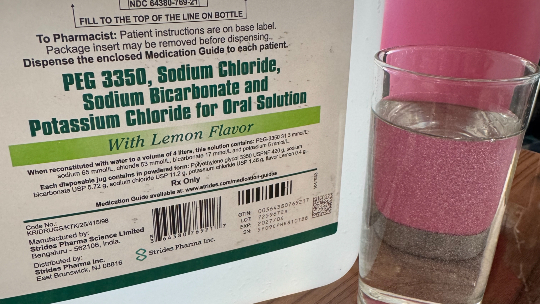
There’s no reason to sugarcoat it; the prep was the least fun part. But it’s also not as terrible as I imagined. The day before the procedure, I switched to foods that are easy to digest so they can move through the colon faster and clean out your gut. If your bowel isn’t empty, your doctor won’t be able to see clearly inside.
This part was easy for me since I’m an intermittent faster and am accustomed to going for long periods of time without eating anything. Fortunately, my colonoscopy was scheduled for a Monday morning, so I began preparation Sunday evening. You need to clear your schedule for this part.
Here’s what helped me:
- Chill the prep: Cold makes it easier to get down.
- Stay near a bathroom: You’ll thank yourself.
- Don’t wipe so hard: Dab and rinse.
By the time the night was over, I felt empty and surprisingly relieved (in more ways than one) that the hardest part was behind me.
Procedure day: (Almost) nothing to it
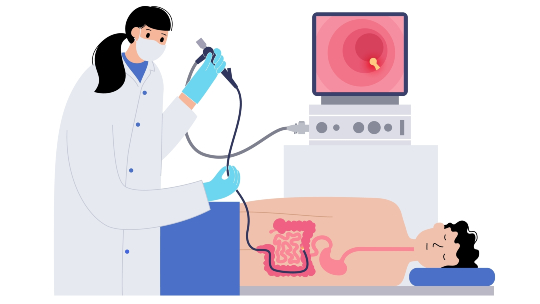
When I walked into the clinic the next morning, I expected to feel nervous. Instead, I felt surprisingly calm. The staff walked me through each step with the kind of reassurance that made me think, “Why was I stressing about this?”
After getting an IV and meeting the doctor, I remember thinking, “This isn’t so bad.” The anesthesiologist told me they were starting the sedation, and what felt like a few seconds later … I was waking up. That’s it. No pain. No discomfort. No memory of anything.
Recovery: Easier than I expected
Waking up felt like coming out of a really restful nap. I was a little groggy but alert enough to ask, “So, how’d everything look?” The nurse shared the preliminary results (the doctor will go over details later), offered me some water, and before long, I was dressed and ready to go home.
I spent the rest of the day relaxing, snacking, and enjoying the rare excuse to do absolutely nothing. By the next morning, I felt completely normal.
Why I’m glad I did it
The biggest takeaway? Peace of mind.
Getting screened removed the anxiety of the unknown. And if something had been discovered, I would’ve caught it early, when colorectal cancer is most treatable. That alone makes the prep, the nerves, and the early wake‑up call worth it.
Some advice
If you’re preparing for your first colonoscopy, here are a few pointers.
- Don’t wait. If you’re 45 or experiencing symptoms, schedule it as soon as possible.
- Make prep day simple. Comfortable clothes, easy entertainment, plenty of hydration.
- Ask questions. Your doctor and care team have seen it all; nothing you ask will be weird.
- Tell a friend. Sharing your experience might encourage someone else to get screened.
A conversation worth having
Colorectal cancer is preventable, treatable, and beatable when caught early. And while a colonoscopy might not top your list of favorite life experiences, it’s far easier — and far less dramatic — than the stories make it seem. Please keep in mind that everyone’s experience may be a little different.
If you’ve been putting it off, consider this your sign. I’m genuinely glad I did it. And if sharing my experience makes your first colonoscopy a little less intimidating, even better.
For more information on colonoscopies, read understanding a colonoscopy in the winter 2025 issue of Island Scene. Or watch the video below, where gastroenterologist and HMSA Medical Director Kristi Lopez, M.D., shares the importance of getting this life-saving procedure:
March is Colorectal Cancer Awareness Month. According to the Hawaii Department of Health, colorectal (colon) cancer is the third most common diagnosed cancer among men and women in Hawaii. Approximately 700 people are diagnosed and 225 people die from colon cancer each year. Screening saves lives. Learn more about options and resources at GetScreened.hawaii.gov.
Prevention begins with awareness
We have a variety of health awareness articles that can help you understand risk factors, symptoms, and preventative measures so you can take be proactive about your health! Here are a few:
- anxiety awareness month
- cancer prevention awareness month
- heart month healthy challenges
- irritable bowel syndrome awareness month
- menopause awareness month
- national suicide prevention month part I and part II
- pulmonary hypertension awareness month: a different kind of pressure
- sarcoma awareness month
- thyroid awareness month