Chronic inflammation can seriously harm your health. Since it can affect every organ system and cause or worsen chronic health conditions, it’s important to learn what you can do to reduce it.
Most people have had acute inflammation. For example, if you’ve had redness and swelling from a cut or had a fever or sore throat with the flu. Acute inflammation is your body’s short-term, immediate response to protect against infection, injury, and other harmful events.
Chronic inflammation is different. It’s a long-term, lower-level response that can last for months or years and damage healthy tissues. To better understand what can trigger this response and how to reduce it, we talked with rheumatologist Scott Kawamoto, M.D.
What’s inflammation and when does it become destructive?
Inflammation is your body’s natural defense system. It’s a process in which your immune system activates special proteins and cells to fight off invaders or repair tissues. Without it, even minor infections and injuries could become life-threatening.
Inflammation can become a problem when the immune system doesn’t shut off after healing or when it mistakenly attacks healthy tissues. With chronic inflammation, immune cells keep releasing signals even where there’s no injury or infection. These signals attract more immune cells, which can mistakenly attack healthy tissues and result in scarring, cell death, and loss of normal function. It also produces free radicals – unstable molecules that can damage cells – that can accelerate aging and increase cancer risk.
Chronic inflammation signals can make your blood vessels stickier, resulting in atherosclerosis (plaque buildup in your arteries) and an increased risk of heart attack and stroke. It also can interfere with insulin signaling, increasing the risk of diabetes, and alter brain chemistry, increasing the risk of Alzheimer’s disease and even depression.

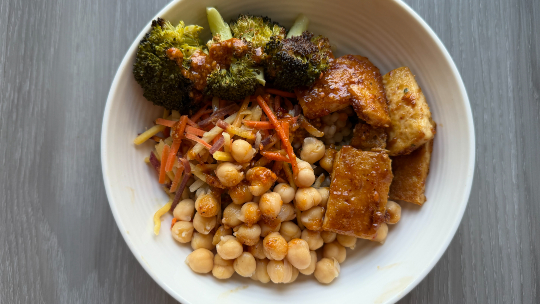
Anti-inflammatory foods, like the Mediterranean diet, help reduce inflammation.
Is there a gut health connection?
About 70% of our immune cells live in and around our digestive tracts. The gut isn’t just digesting food; it’s constantly deciding what’s safe and what’s a threat.
Our guts are home to trillions of bacteria that regulate immune activity. When the gut microbiome is balanced, it produces compounds that reduce inflammation. But when it’s disrupted by diet, poor sleep, stress, or illness, it can lead to increased production of inflammatory signals and a more reactive immune system.
The gut lining is supposed to be selectively permeable, letting nutrients through but keeping irritants out. Inflammation can weaken this lining, allowing small particles to slip through and trigger even more inflammation.
Certain dietary patterns can worsen gut inflammation, such as highly processed foods, excess sugar, low fiber intake, and too much alcohol. However, consuming an anti-inflammatory diet can reduce inflammation. Prioritize fiber-rich vegetables (green peas, broccoli, and Brussels sprouts), fermented food (kimchi, sauerkraut, miso), omega-3 fats, (salmon, mackerel, albacore tuna, flaxseeds, walnuts, and tofu) and adequate hydration.
.jpg)
Chronic stress increases inflammation. Make stress management a priority.
How does chronic stress affect inflammation?
Chronic stress is more than just “feeling bad.” It changes how our immune systems behave. When stress becomes long-term, our bodies stay in a constant, low-level “fight-or-flight” mode, resulting in increased levels of stress hormones, such as cortisol and adrenaline.
Cortisol is a calm-down signal for our immune systems. When something stressful happens, cortisol rises and helps to keep the immune system from overreacting, bringing the body back to balance. But when stress doesn’t stop, cortisol stays high for too long, resulting in a lowered ability to control inflammation.
Chronic stress also changes immune signaling by increasing production of cytokines, chemical messengers that tell our immune systems to ramp up. Long-term elevations of these markers are often associated with cardiovascular disease, autoimmune conditions, depression, and metabolic disease, such as diabetes or obesity. Chronic stress also disrupts sleep, affects the gut, and may change mood or behavior in ways that increase chronic inflammation. Do what you can to manage stress.

Reducing inflammation is one of the many benefits of regular exercise.
Why do exercise and maintaining a healthy weight matter?
Exercise is more than just “burning calories.” There’s an actual biological change to our immune systems. When we exercise, our muscles release signaling molecules called myokines that counterbalance inflammation. Exercise reduces visceral fat, the deep abdominal fat around our organs that activate inflammatory signals and make our cells more sensitive to cortisol, which helps our bodies turn off unnecessary inflammatory reactions.
Exercise also helps our muscles use glucose more efficiently. This improves blood sugar regulation and supports a healthier gut microbiome, which improves gut health and improves overall hormone balance, oxidative stress, and sleep patterns.
Moderate, consistent exercise has measurable anti-inflammatory effects. Aim for 150 minutes of moderate activity per week. Even a 5%-10% reduction in body weight can lower blood inflammation markers. But remember that balance matters – overtraining, poor recovery, and extreme caloric restriction can increase inflammation.
.jpg)
Work with your doctor to manage chronic health condtions and decrease inflammation.
How does managing chronic conditions help with inflammation?
Many long-term health conditions, such as diabetes, high blood pressure, autoimmune disease, arthritis, and asthma, tend to keep the immune system in a constant low-grade “alert” mode. This results in higher levels of inflammatory chemicals, more oxidative stress, disrupted hormone balance, and increased strain on tissues. Managing chronic conditions helps to remove these triggers that keep the immune system activated.
Keeping these conditions under control also supports healthier lifestyle patterns overall. As a result, it’s easier to move more, eat healthier, sleep better, and manage stress, which in turn help reduce inflammation. Work with your doctor and get support to manage chronic conditions.
Do vaccines play a role in reducing inflammation?
Yes, vaccines play an important role in reducing inflammation overall. When we get sick, our immune system launches a massive inflammatory response. This is what causes fever, body aches, swelling, and, in severe cases, tissue damage. Vaccines can help prevent or reduce the severity of these types of infections and decrease the tidal wave of inflammatory surges that come with them.
Some infections can also directly trigger chronic inflammation or long-term damage. For example, hepatitis B can cause chronic liver inflammation and cancer, HPV can cause chronic inflammation that leads to cervical and throat cancers, and measles can cause chronic brain inflammation. Vaccines dramatically reduce these risks.
Vaccines can cause temporary, mild, acute inflammation, such as a sore arm, low-grade fever, and fatigue. These are normal immune responses and are generally much milder and short-lived compared to the risks of the diseases they’re intended to prevent. Talk to your doctor about what vaccines are right for you.
What else should people know?
Chronic inflammation is often silent. You may not feel it happening, but it can simmer for years before clear symptoms of an illness become apparent. Prevention is possible, so we should all be proactive in managing our health. There’s no magic bullet, but the small choices we make in everyday life add up and can help keep our immune systems balanced. Getting high-quality sleep, avoiding smoking, and limiting alcohol can all reduce chronic inflammation as well.

Board-certified rheumatologist, Dr. Scott Kawamoto.
Explore more
Whether you’re looking for healthy recipes, ways to manage stress, or move more, we’ve got you covered: