If you're a teen or the parent of one, this message is for you. The teen years bring a lot of changes, but they also offer an important opportunity that’s easy to miss: a limited window of time to build bone strength that can last a lifetime.
Worrying about your bones might seem like an older person’s concern, but waiting to protect your bones is like studying for a test decades after the class is done. Timing matters. During childhood and adolescence, the body builds more bone than it loses. The amount of bone accumulated during these years contributes to bone strength later in life.
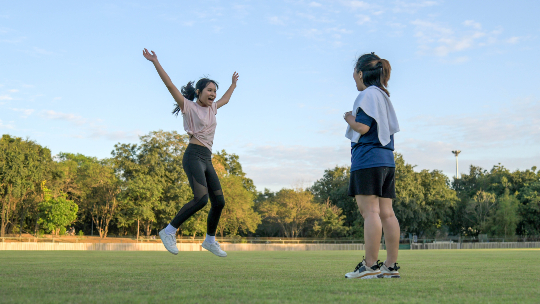
Encouraging teens to be active, even just jumping, helps them build strong bones.
Bone mass usually reaches its peak by a person’s mid- to late 20s, but much of that foundation is built before adulthood. The more bone a young person builds during adolescence, the more they may have to draw from later in life. Not building strong bones during the teen years can have consequences decades later.
As you age, bones naturally lose density and strength, and people who begin adulthood with a lower peak bone mass are at greater risk of developing osteoporosis and experiencing fractures. Osteoporosis develops when bone loss outpaces the body's ability to replace bone tissue, leaving bones weaker, less dense, and more prone to breaks.
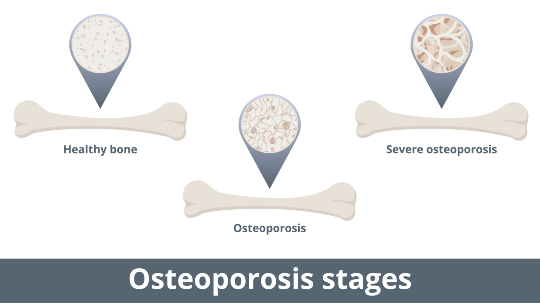
Building strong bones helps prevent bones loss that can lead to osteroporosis.
We talked with HMSA Medical Director Mark Lau, M.D., a pediatrician and internist, about building bone health during adolescence.
Why are the teen years so important for strong bones?
Half to two-thirds of lifetime bone mass is accrued during puberty. Hormones that increase during puberty stimulate rapid bone growth, mineralization, and modeling. There is little increase in bone mass after growth plates fuse.
What can parents do to support bone growth during this time?
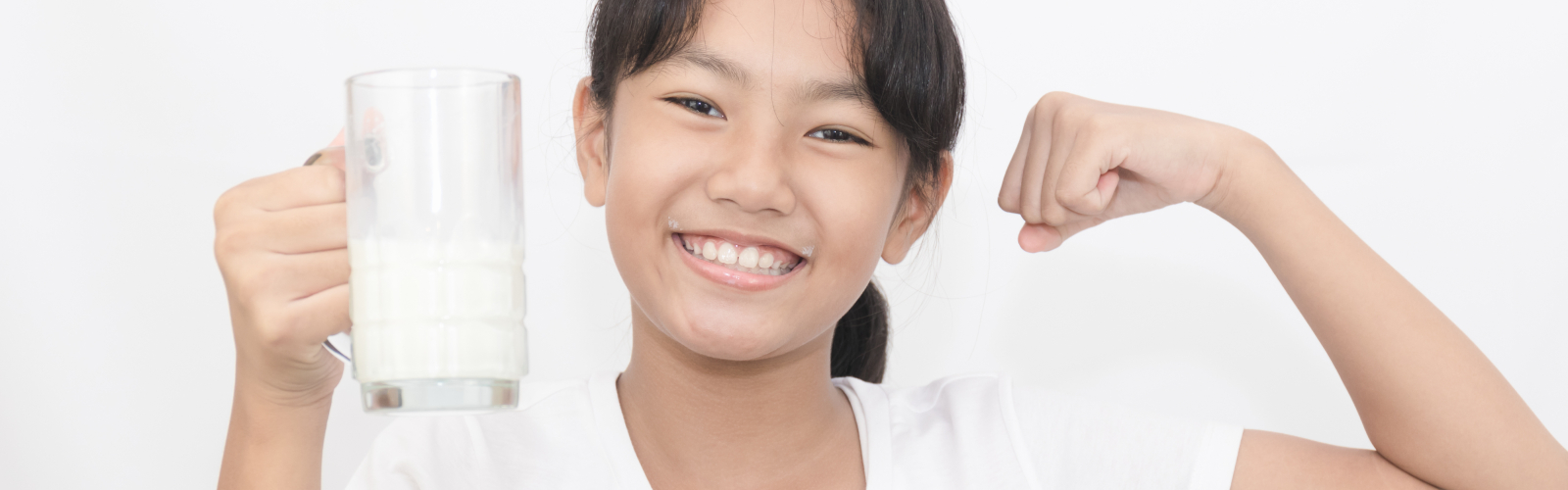
Focus on calcium consumption and adequate vitamin D. Calcium is a major building block of bone, and vitamin D helps the body absorb calcium and supports normal bone growth. Teens need about 1,300 mg of calcium a day, which is roughly four to five servings of dairy to meet that. Talk to your pediatrician if you have questions or concerns.
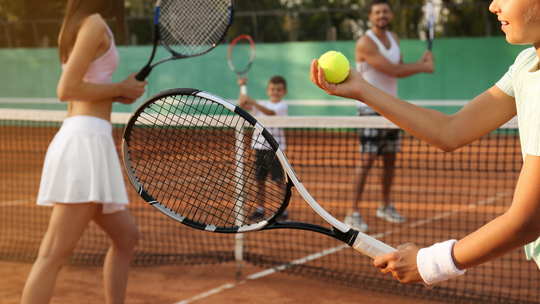
Many sports make bones work against gravity or absorb impact to help build strong bones.
It helps to have only milk and water available to drink at home. Everything else should be considered a treat enjoyed on special occasions. When parents fill the fridge with sugar-sweetened beverages, their children are likely to drink those instead of milk.
Weight bearing activity helps, too.* The risk of osteoporosis later in life will be higher for teens who aren’t physically active. Many people spend much of their day on electronic devices. I encourage parents to make their children earn screen time. Good grades, chores, vegetable intake, exercise, and anything else parents value should all be required before the child has access to electronics.
Since the teen years can be challenging, does it make sense to start certain activities at a younger age to build healthier habits early?
Yes, 100%. Almost every parent of a teen knows that teens don’t like to be forced to do things. Setting good habits early is important. This is true for bone health and calcium intake, just like it is for learning manners, good dental hygiene, study habits, and general wholesome living.
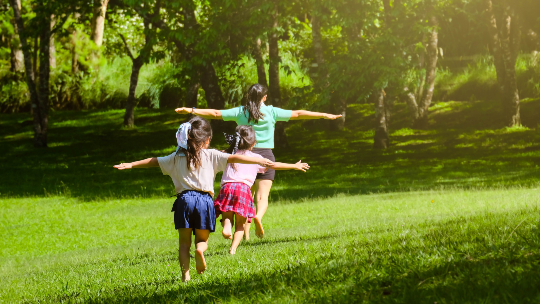
Being active when kids are younger helps set healthy habits early.
Any advice about how to help teens understand and value developing their bone strength now for better health later in life?
Teens vary widely in maturity. For the younger ones I focus on sports and the importance of strong bones. They should know that if you play a contact sport and have weak bones then they might not play for long.
*Note: The Centers for Disease Control and Prevention recommends that children and teens ages 6 to 17 get at least 60 minutes of physical activity every day, including bone-strengthening activity at least three days a week. Bone-strengthening activities are usually those that make bones work against gravity or absorb impact, such as jumping rope, dancing, climbing stairs, tennis, basketball, soccer, volleyball, and other activities that involve jumping, quick starts and stops, or changes in direction.

Dr. Mark Lau
Learn more about health
Healthy habits don't stop with strong bones. Explore more stories on nutrition, fitness, hydration, and mental well-being: