You stop answering texts. Your favorite hobbies start to feel like chores. The shows you used to enjoy sit unwatched in your queue.
Depression doesn’t always look like overwhelming sadness. For many people, the first sign is something quieter: a loss of interest in activities that once brought joy.
In observance of Depression and Mental Health Screening Month, we’re taking a closer look at some of the lesser-known signs of depression, why they can be easy to miss, and when it may be time to seek help.
When depression interferes with daily life
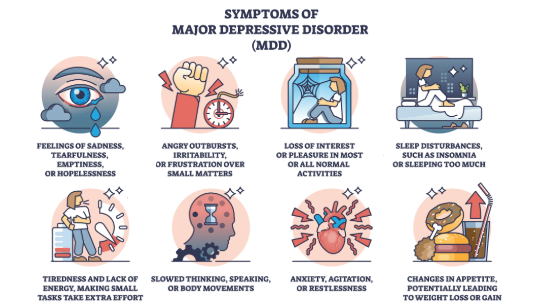
Everyone experiences sadness, stress, or disappointment from time to time. But what doctors call “Major Depressive Disorder,” or MDD, is different because the symptoms persist and begin affecting everyday life. Someone experiencing depression may struggle to concentrate at work, lose interest in spending time with loved ones, or find it difficult to get through routine tasks. Ultimately, to be considered MDD, “It has to be causing impairment in your life,” says Jeremy Roberts, M.D., a board-certified psychiatrist at Advanced Psychiatric Therapeutics.
Other symptoms of major depressive disorder may include:
- Low energy or fatigue.
- Changes in sleep patterns.
- Difficulty concentrating.
- Feelings of guilt or worthlessness.
- Changes in activity levels.
- Thoughts of self-harm or suicide, which require immediate professional support.
Symptoms vary from person to person. For some, they develop gradually over weeks or months. Others may notice changes after a stressful life event.
Why does depression happen?
Research shows depression can run in families, with genetics contributing to increased risk. Stressful experiences such as financial challenges, an accident, or another major life event can also contribute to a depressive episode. But depression doesn't always have an obvious trigger. “Sometimes there’s nothing obvious going on at all,” Roberts says.
In many cases, symptoms develop gradually, beginning with subtle changes in mood and daily function.
When nothing feels fun anymore
One of the lesser-known symptoms of depression is the loss of interest or ability to experience pleasure in activities that once brought joy. This is called anhedonia. Someone who used to love surfing may stop checking the waves. A passionate gardener may lose interest in tending their plants. Even spending time with friends and family can start to feel tedious.
As people pull away from hobbies, routines, and relationships, they can lose important sources of support and fulfillment. Over time, that withdrawal can deepen feelings of depression and make it harder to break out of the cycle.
Roberts encourages people to gently reconnect with activities they once found meaningful, even if they don’t initially feel motivated to participate. “Sometimes, once you get out there, the things that once brought you joy can come out again,” he says.
The goal isn’t to feel better overnight. Instead, taking small steps, whether it’s meeting a friend for coffee, going for a walk, or returning to a favorite hobby, can help restore a sense of connection and enjoyment.
Why routine matters
Roberts points to retirement as one example of why daily structure matters. Leaving the workforce often means losing the routines, social interactions, and sense of purpose that come with a job. Without that framework, some people may begin to feel isolated or disconnected.
Creating a routine can provide stability during difficult times. Roberts recommends being specific. Rather than setting a goal to exercise more or spend more time outdoors, try scheduling activities at a particular place and time, especially if they involve other people. A weekly gardening club, regular morning walk, volunteer shift, or standing coffee date with friends can offer both structure and social connection.

Friends and family can also help. In some cases, loved ones may notice changes before the person experiencing depression does. A simple check-in, invitation, or conversation can help someone feel supported and encourage them to reconnect with others.
Treatment can take different forms
Depression is treatable, but there’s no one-size-fits-all solution. Roberts says three common approaches are talk therapy, exercise, and medication.
Therapy can help people better understand their thoughts, emotions, and behaviors, while exercise has been shown to improve symptoms for some people. Medication may also be appropriate, depending on a person’s circumstances.
“The most important thing,” he says, “is remembering that help is available.”
Don’t wait to ask for help
Depression often develops gradually, making it easy to dismiss changes in mood, energy, or daily habits as stress.
Over time, those changes can start to feel normal. That’s why an outside perspective can be valuable. A friend, family member, therapist, or physician may notice shifts in your behavior that you haven't recognized yourself.
“It often takes an exterior set of eyes to realize and say, ‘Hey, what's going on?’” Roberts says.
If feelings of sadness, numbness, hopelessness, or loss of interest are interfering with daily life, consider talking with a health care professional. Sometimes, simply talking with a doctor or therapist is an important first step toward understanding what’s happening and exploring available options.
“You’re not alone,” Roberts says. “It’s a common thing that a lot of people struggle with.”
Asking for help can feel difficult, especially when depression has convinced you to withdraw from others. But support is available, and reaching out may be the first step toward reconnecting with the people, activities, and experiences that bring meaning to your life.
More ways to support your mental health
Looking for more information? We’ve covered depression before. For a broader look at the signs of depression, treatment options, and ways to support loved ones, check out national depression education and awareness month.
Taking care of your mental health looks different for everyone. Here are a few more stories that may help you manage stress, strengthen social connections, and support your overall well-being:
good friends for better health
Strong social connections can benefit both your physical and mental well-being. Discover ways to maintain meaningful friendships as an adult.
may is mental health awareness month
Though one in five adults in the U.S. lives with a mental illness, there's still stigma around seeking support. Learn how mental health conversations can help break down barriers.
the calming powers of saltwater therapy
The ocean has long been a place of healing. Learn the science behind saltwater therapy and why Native Hawaiians have embraced the ocean's restorative power for generations.
tips to manage stress
Chronic stress can affect both your body and mind. Learn practical strategies to manage stress before it affects your health.
why pau hana is good for the soul
Taking time to unwind and connect with others can play an important role in overall well-being.