For many local families, building wealth can feel out of reach. According to United For ALICE, roughly 40% to 44% of Hawaiʻi households live below the ALICE threshold (Asset Limited, Income Constrained, Employed) or the federal poverty level. In other words, earning a paycheck isn’t always enough to make ends meet here in the Islands, and setting money aside for the future can feel overwhelming.
But building wealth may be more attainable than many people realize. Jennifer Tachino, a community impact professional at Hawaii State Federal Credit Union, agrees. One of the biggest misconceptions, she says, is that people need a large income or family money to get started. Instead, lasting financial habits often begin with small, manageable steps.

Tachino shares her tips for building wealth. Photo courtesy HSFCU
Create habits that work for you
As an only child raised by a single parent in Honolulu, Tachino understands that financial security can feel difficult to achieve. Her experience reflects the reality many local families face. State data shows that single-parent households are among the groups most likely to struggle financially in Hawaiʻi.
“You actually don’t need a lot of money to get started,” Tachino says. “You don’t need to come from generational wealth. You can just start with yourself, even if it's starting small.”
Tachino says no one formally taught her how to manage money. Instead, she developed helpful financial habits on her own while going to college and working at the University of Hawaiʻi at Mānoa.
Instead of spending her entire paycheck, she created a simple rule for herself: spend only a portion of what she earned and set the rest aside.
“I didn’t want to ask my mom for money,” she says. “I wanted to be independent and figure out how to do it by myself.”
That mindset followed her through college and into her professional career. Even as her income grew, she continued putting money aside whenever possible.
Her advice for anyone struggling is simple: start somewhere.
“Even if it’s just putting aside $10, something is better than nothing,” Tachino says. “Small progress is still progress.”
You need to see it (to believe it)
Before people can build their savings, Tachino recommends taking a look at their finances.
This means sitting down and reviewing income, debt, recurring expenses, and monthly obligations. While budgeting can feel intimidating, she believes creating a visual roadmap can remove much of the uncertainty.
Tachino created a spreadsheet to track income and expenses month by month. The tool helps see how much money is coming in, what bills must be paid, and how much is available for other priorities.
“If you don’t know what you're spending,” she says, “you’re kind of shooting in the dark and hoping for the best.”
Tracking expenses can also reveal patterns that might otherwise go unnoticed. Some purchases are intentional, while others quietly add up over time.
The goal, Tachino says, isn’t to eliminate everything enjoyable. It’s to be mindful. “If getting a fancy drink or eating out is important to you, that’s fine,” she says. “You just need to build that into your budget.”
By assigning a realistic dollar amount to things that matter most, people can them while staying within their means.
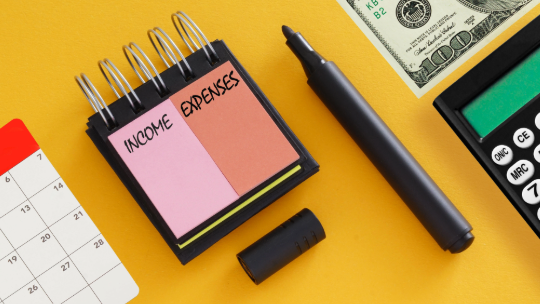
Tracking your income and expenses is an eye-opener!
A flexible approach
One budgeting framework that worked for Tachino is the 50/30/20 rule.
Under this guideline:
- 50% goes toward needs, such as housing, utilities, and transportation.
- 30% goes toward wants.
- 20% goes toward savings and debt repayment.
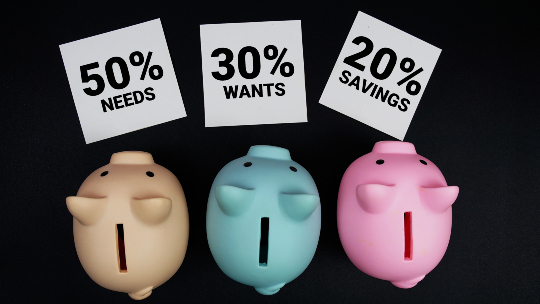
Here’s a starting point for your budget, but it’s flexible.
However, she emphasizes that the percentages aren't set in stone.
“The structure is helpful, but it’s flexible,” Tachino says. “Everybody’s situation is different.”
Living costs, debt, family responsibilities, and individual priorities all vary. Some families may need to devote a larger share of their income to necessities, while others may choose to save more aggressively by reducing discretionary spending.
Budgeting became even more important after she got married and started a family.
“It wasn’t just me anymore,” she says. “Managing other people’s needs is a huge responsibility.”
Understanding the role of credit
Building savings is important, but it's not the only factor in long-term financial well-being. Understanding credit can also open doors to future opportunities.
Tachino describes credit scores as a quick snapshot lenders like banks and credit unions use to assess risk when deciding whether to approve a loan.
“This might sound harsh, but a credit score doesn't care about your personal situation or struggles. It’s just a number,” she says.
A stronger credit score can make it easier to qualify for mortgages, auto loans, and other forms of financing, often at lower interest rates. Lower credit scores can result in higher borrowing costs and fewer lending options.
The good news is, credit can be built over time. Tachino recommends secured or beginner-friendly credit cards without an annual fee as a starting point for those looking to establish a credit history. She also emphasizes the importance of using credit responsibly.
Rather than spending simply because credit is available, use cards for routine purchases that can be paid off each month, such as groceries, gas, or utility bills. Carrying a balance can lead to interest charges that make purchases more expensive over time. For some, those routine purchases can provide added benefits. “Take advantage of credit card perks such as points, miles, or cash back,” Tachino says. “The best card for you depends on your priorities and what you value most.”
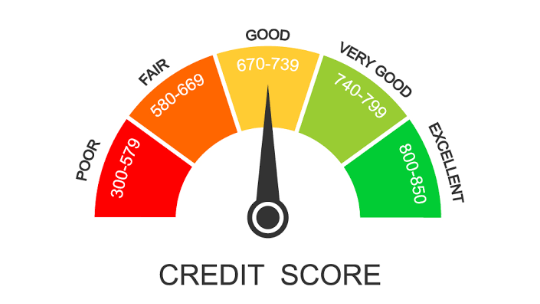
Know your score . Image courtesy HSFCU
Peace of mind
Knowing how much is available for groceries, gas, gifts, savings, and entertainment can make everyday decisions less stressful. Instead of wondering whether there's enough money, families can plan with confidence.
This is a challenge many local residents face. According to the Holomua Collective's affordability survey, 42% of employed Hawaiʻi residents say saving money is “very difficult,” while 37% frequently worry about paying recurring bills.
Tachino points to common expenses, such as monthly bulk-item trips, gas fill-ups, or birthday gifts, as examples of costs people can anticipate and include in their budgets. “The unknown is always stressful,” she says. “So, having a plan for those expenses can help prevent reliance on credit cards or last-minute scrambling when bills come due.”
Understanding your finances and creating sustainable habits can provide a greater peace of mind. “You don’t have to plan your whole life out. Just start small and figure out where you are right now,” Tachino says. “Something is better than nothing.”
This article is the third installment in our four-part financial well-being series in partnership with Hawaii State Federal Credit Union. Previously, we explored earning extra income through side hustles and how Hawaiʻi’s new financial literacy requirement can help prepare students for the financial realities of adulthood.
More ways to build financial well-being
Managing finances is an ongoing journey. Explore these articles for additional tips on saving, spending, and planning and preparing for the future.
tips for saving money
Simple strategies can help you build savings and make the most of every paycheck.
smart shopping for financial well-being
Thoughtful spending habits can support your goals while helping you stay on budget.
taking the stress out of home buying
Buying a home in Hawaiʻi can feel overwhelming, but with the right guidance, education, and financial planning, local families can turn a complex process into a more manageable path to stability.
teaching keiki to invest in their future
Learn how one Hawaiʻi classroom is teaching keiki to save, spend wisely, and build healthy money habits for the future.