Michelle Liu
Garlic may be known as the stinking rose, but this fragrant plant is one of the most used ingredients to flavor food. If you can’t get enough of garlic, here are some dishes you won’t be able to resist!
healthier luncheon meat recipes
Canned luncheon meat is a staple in many local households and a must-have for hurricane emergency kits. Though it may not be the healthiest protein, it’s a source of vitamin C, magnesium, and calcium. Here are a few recipes that utilize this beloved Hawaii favorite in a variety of ways.
Don't miss out on these events that are heading your way!
view more eventsTake a look at some of the stories that made their way into the spotlight in this season's issue.
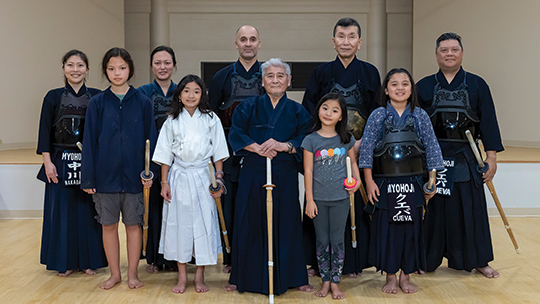
Steeped in Japanese culture and samurai sword arts, modern kendo isn’t necessarily about winning duels. For members of Myohoji Kendo Club in the heart of Honolulu, kendo is about perseverance, camaraderie, and more. Find out from Sensei Seth Harris, and practitioners Shelly Kunishige and Michael and Mace Cueva, why kendo is so meaningful to them.
celebrate older americans month
May is Older Americans Month, which began in 1963 with a proclamation issued by President John F. Kennedy. More than 60 years later, Older Americans Month continues to honor adults 65 and older for their contributions, support their independence, and recognize their value to our communities. Learn about Kupuna Aikido Hawaii, HOPE Services Hawaii, and a woman who shares her experience getting an emergency contact tattoo.
hawaiian legends, adventure, and the rainforest
Native Hawaiian author Malia Maunakea grew up hearing stories about Pele. Now, she's sharing the moolelo about the goddess of fire through her book, Lei and the Fire Goddess. Maunakea shares the inspiration behind her debut novel and how it's teaching keiki about Hawaiian culture and mythology.
piecing together wellness and resilience in hawaii
Meet Tia Hartsock, director of the new Office of Wellness and Resilience. It's the first statewide office of its kind in the nation. Hartsock talks about how her office is tackling issues regarding trauma-informed care and other mental health issues in Hawaii, including the aftermath of the COVID-19 pandemic and Maui wildfires.
put your doctor in your cruise plans
That long-awaited family cruise is right around the corner and you're ready to go. But have you packed all of the essentials to make your trip healthy and safe? A local infectious disease specialist has tips on how to plan for a healthy cruise.